Sustainable Fashion Trends That Are Shaping 2024
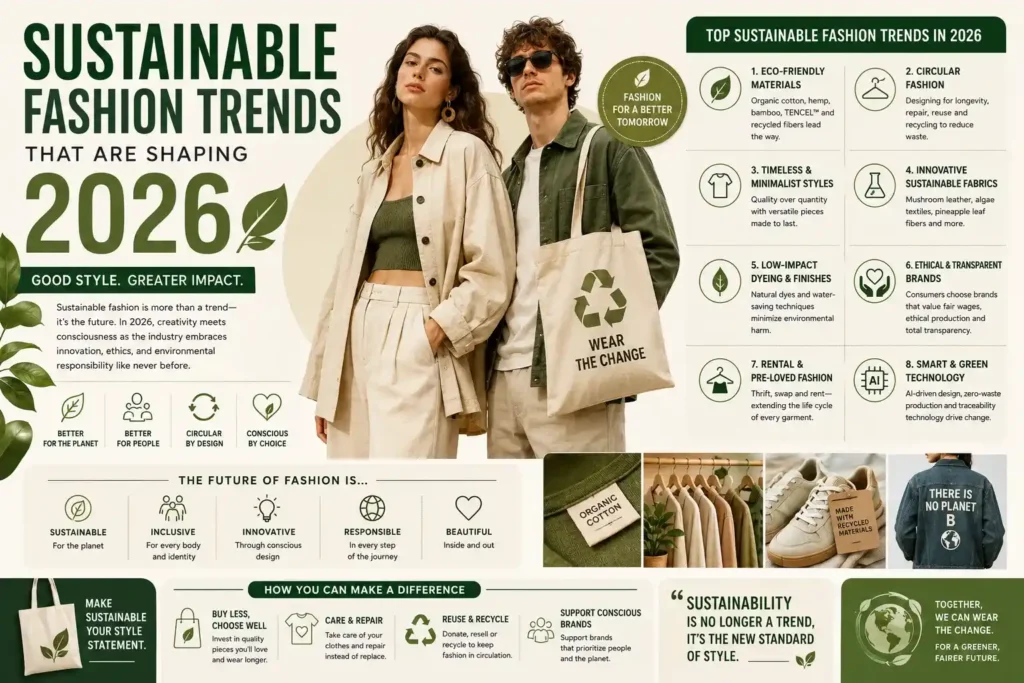
The fashion industry is undergoing a remarkable transformation as consumers become increasingly conscious of their environmental footprint. Sustainable fashion is no longer a niche movement but a significant trend that’s reshaping how we think about clothing, accessories, and our overall shopping habits.
Eco-Friendly Materials Taking Center Stage
Designers are embracing innovative materials like organic cotton, hemp, bamboo, and recycled polyester. These materials not only reduce environmental impact but also offer superior comfort and durability. Look for clothing made from Tencel, a sustainable fabric derived from wood pulp that’s biodegradable and requires less water to produce than traditional cotton.
Circular Fashion and The Sharing Economy
The concept of circular fashion is gaining momentum, encouraging consumers to buy, wear, and return items for resale or recycling. Clothing rental services and second-hand marketplaces are becoming mainstream options for fashion-forward consumers who want to stay stylish while reducing waste and extending the lifecycle of garments.
Transparency and Ethical Production
Modern consumers demand transparency in the fashion supply chain. Brands are increasingly sharing details about their manufacturing processes, sourcing, and labor practices. QR codes on clothing tags that provide information about the garment’s journey from factory to store are becoming a common feature in sustainable fashion collections.
Minimalist Capsule Wardrobes
More people are embracing the concept of capsule wardrobes, focusing on quality over quantity. By investing in versatile, timeless pieces that can be mixed and matched, consumers reduce their overall consumption while still maintaining a stylish appearance. This approach saves money and reduces clothing waste significantly.
Upcycling and DIY Fashion
Upcycling old garments into new creations is trending among fashion enthusiasts. From turning jeans into bags to transforming vintage fabrics into contemporary designs, DIY fashion projects are inspiring creativity and reducing textile waste. Online communities share tutorials and ideas, making sustainable fashion accessible to everyone.
Shopping Local and Artisanal Crafts
Supporting local artisans and small-scale producers helps reduce carbon emissions associated with shipping and promotes traditional craftsmanship. Consumers are increasingly seeking unique, handcrafted pieces that tell a story and contribute to preserving cultural heritage while maintaining sustainable fashion values.
Digital Fashion and Virtual Try-Ons
Technology is playing a crucial role in sustainable fashion through virtual try-on apps and digital fashion shows. These innovations reduce the need for physical samples and returns, minimizing waste while providing consumers with convenient ways to experiment with their style before making purchases.
Making Sustainable Choices That Matter
Adopting sustainable fashion doesn’t require completely overhauling your wardrobe overnight. Start with simple changes like buying second-hand, choosing quality over quantity, and supporting brands committed to environmental responsibility. Every small choice contributes to a more sustainable future for the fashion industry.